Dear colleagues,
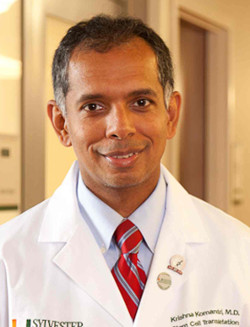
I hope this message finds you well. Since my last column, Spring has sprung, baseballs have started to fly in stadiums around the country and the NFL draft is looming on the sports calendar. In Washington, the cherry blossoms have come and gone and the quest for bipartisan agreement continues. By the time you read this, you will already be thinking about kids being released from school and the summer travel that you’ve been longing for during the past several months.
It’s already been a busy travel season for me, and I spent two thought provoking days last week representing the ASBMT at the strategic planning retreat for the Foundation for the Accreditation of Cellular Therapy (FACT). FACT remains one of our most important partners and is an organization particularly dear to our hearts, given that it was parented by our organization and another close partner, the ISCT. Like FACT, the ASBMT will also revisit its strategic plan later in 2017 and it was helpful to see how our partner thoughtfully started a process of self-reflection.
It will come as no surprise that both FACT and ASBMT are considering the increasingly important place of T cell therapies in the transplantation and cellular therapy landscape. Indeed, the last month was marked by landmark FDA Biologics License Application (BLA) filings by two companies for chimeric antigen receptor T cell (CAR-T) therapies for CD19-expressing leukemia and lymphoma. While no one I know possesses a (functioning) crystal ball, it certainly seems possible that we may see an approval of one or more T cell therapies for cancer before the end of the year.
Given the strong possibility of FDA-approved CAR-T cell therapies before the end of this year, it now seems prescient that FACT invested considerable effort in developing new standards for immune effector cell therapies, including CAR-T cells, that were recently released. Our colleagues at FACT, many of whom are ASBMT members, should be congratulated on this remarkable and important effort. In my discussions with diverse stakeholders (e.g., cell therapy companies, clinicians, patient advocates and payers) I’ve heard nothing but praise for these standards, and I am certain that they will be essential for the maintenance of safety as these therapies roll out to an increasing number of patients treated in diverse centers.
Many have asked me what role the ASBMT will play in this (non-transplant) cellular therapy revolution I believe the short answer to that complicated question is ‘considerable.’ First and foremost, ASBMT members and their cell therapy programs have played a critical scientific role in the development of immune effector therapies and many would argue that these emerging technologies would not exist if it were not for the pioneering scientific achievements of ASBMT members.
Currently, antigen-specific T cell therapies (including virus-specific, CAR-T and transgenic T cell therapies) are conducted in a variety of settings. At some centers, like at ours in Miami, all aspects of the clinical process (e.g., apheresis, laboratory and clinical care) currently lie within the hematopoietic transplant program. In others, non-transplant clinicians round with transplant doctors to jointly care for patients receiving engineered T cell therapies. In contrast, there are many competent centers where non-transplant physicians alone expertly care for these patients; indeed, they may do so in or outside of a clinical environment already accredited by FACT. Regardless of this variation, I have yet to see any program where some aspect of a HCT center (e.g, apheresis, lab, clinical program) isn’t intimately involved with the care of patients receiving immune effector cell therapies.
Once immune effector therapies transition from the research phase to standard of care, the costs of care will shift from cell therapy companies to public and private payers. At that time, it is likely that the substantial cost of these therapies will lead to requirements for financial pre-approval; many payers may choose to restrict these therapies to networks that resemble the current framework of transplant centers of excellence. There is also a real possibility that that data submission (e.g., akin to data submitted by allogeneic transplant programs to the Stem Cell Therapeutic Outcome Database) may also be required for immune effector therapies following FDA approval. Overall, the considerable clinical experience that HCT centers have with existing cell therapies (from collection to manipulation and infusion) and our natural strengths in clinical care, quality management, financial stewardship and data management will serve cancer centers well as they develop analogous frameworks that support immune effector therapies.
Given these truths, it is necessary that the ASBMT evolve with the rapid clinical expansion of immune effector therapies. Our society, like many of its clinical centers, is best determining how we can adapt and respond to the considerable infrastructural and clinical challenges that lie ahead. The ASBMT has formed a task force of leading cell therapy experts to provide input to the board of directors as we assess how our structure, meetings and journal can best respond to the scientific and clinical evolution underway. As we forge ahead, we will also collaborate with our historical partner societies and foundations to ensure our efforts are synergistic and to avoid unnecessary duplication of effort.
In the months ahead, it will be important that we broadly engage our subunits, especially our committees and SIGs, as we address these challenges. We must evolve as a society while remaining true to our historical mission and preserving our current strengths. I have no doubt it will be an exciting year for all of us and for our patients who desperately seek improved treatment options, including hematopoietic transplants and standalone immune effector therapies. I look forward to sharing the results of our deliberations and achievements in the coming months. Though I have already heard from many of you, I urge you to reach out to me and other members of the board with your perspectives on these important therapies.
Until next month, I wish all of you and your families the very best!
Krishna
Other ASBMT News Sources: